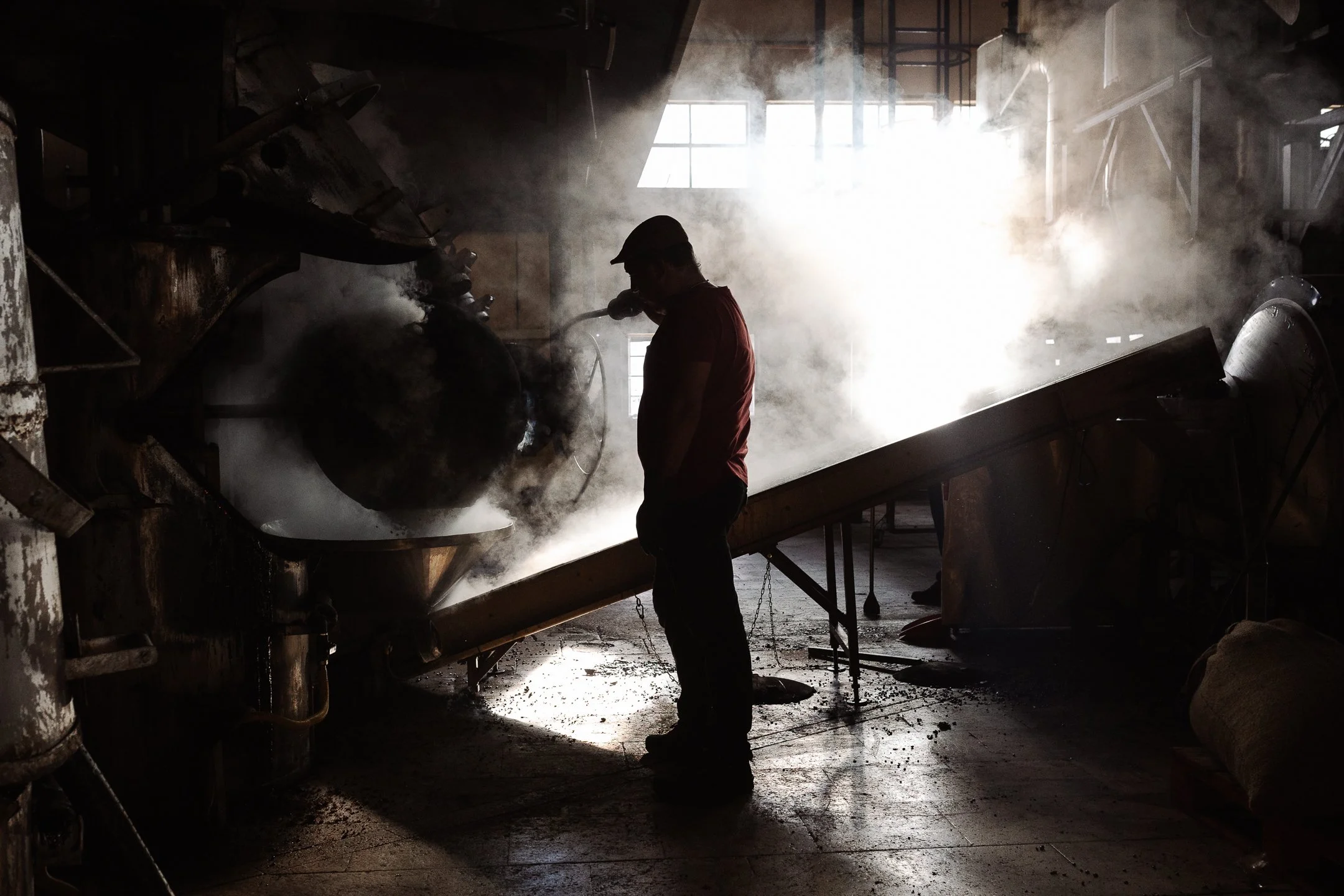
Cafés Camelo has been roasting coffee in Campo Maior since 1937, born out of a strange rivalry with the American Camel cigarette brand and a stretch of border where, in leaner years, coffee crossed from Portugal into Spain on people's backs rather than through customs. That's not a footnote, it's the whole reason this project took the shape it did: a brand this old doesn't need a new logo, it needs its story told properly, in as many forms as people are willing to sit through.
The book
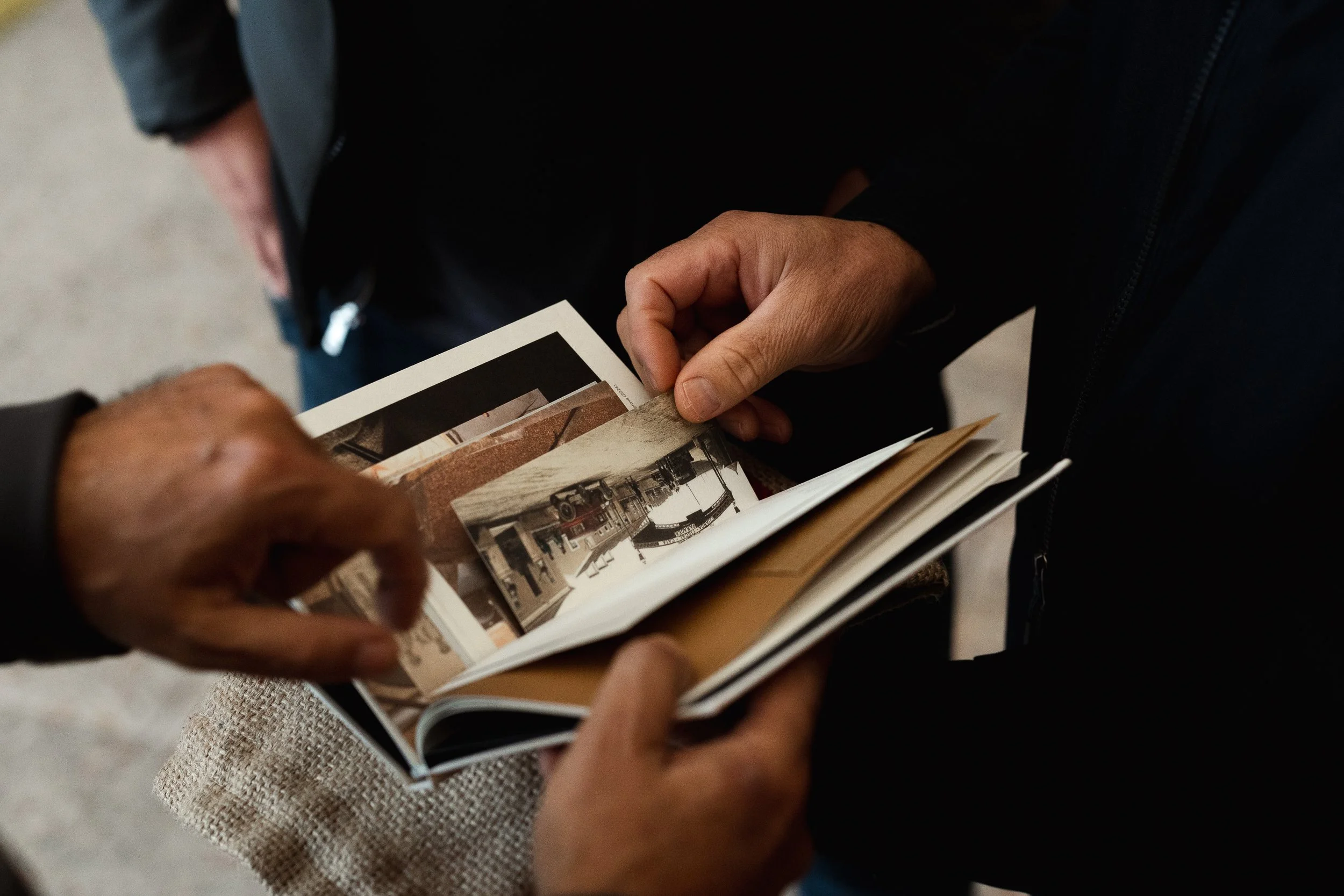
I started by sitting down with the people who'd actually worked at Camelo, some for over 30 years, and let their memories shape the story rather than trying to write it from the outside. What came out of those conversations became a book: part history, part oral record, part love letter to a place most of Portugal has tasted without ever knowing its name.
The documentary
The same interviews that shaped the book became the backbone of a short documentary, produced with Freds Fabrik, following the people behind Camelo rather than the coffee itself, including some of the brand's oldest workers speaking about how Comendador Rui Nabeiro first built it.
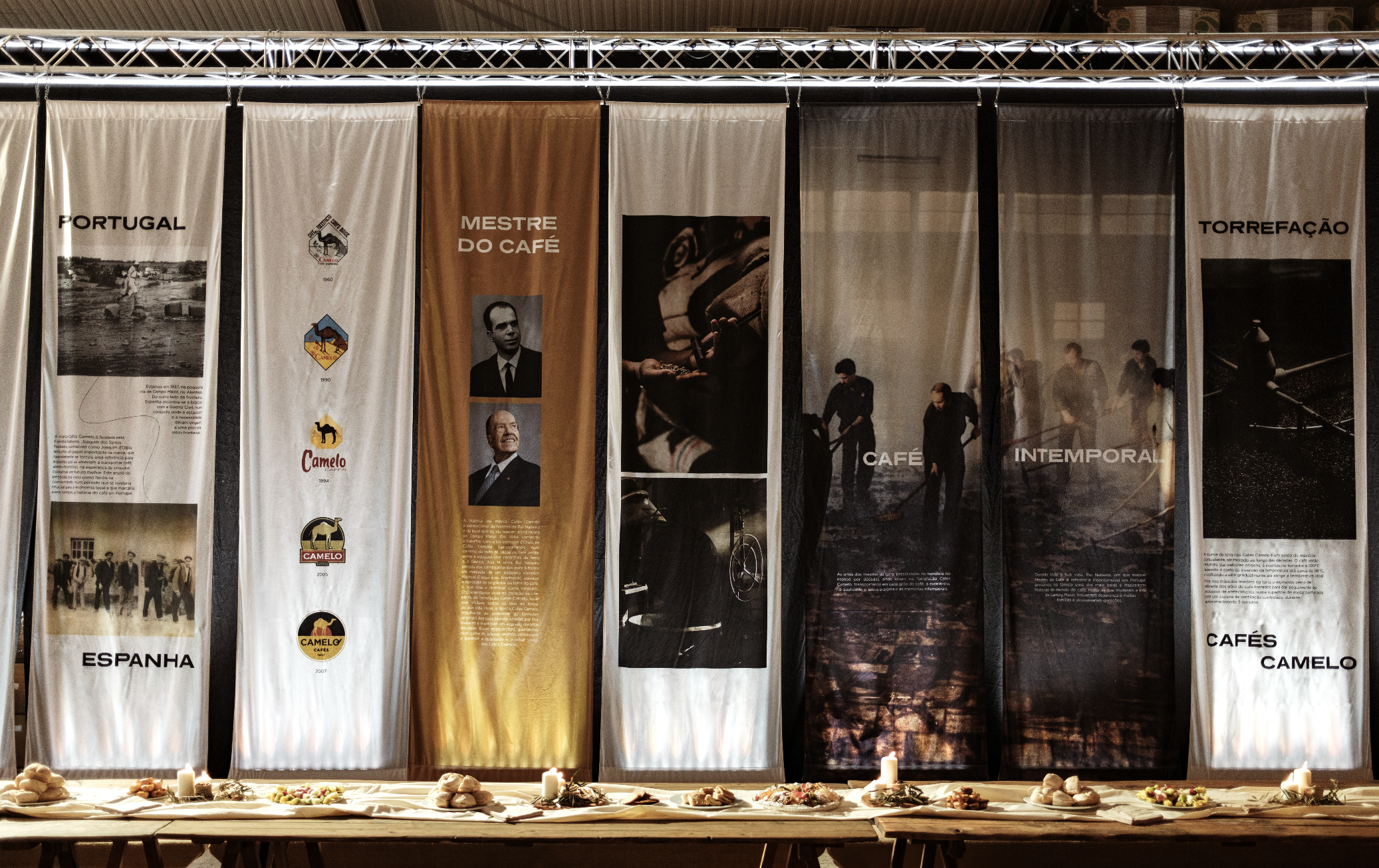
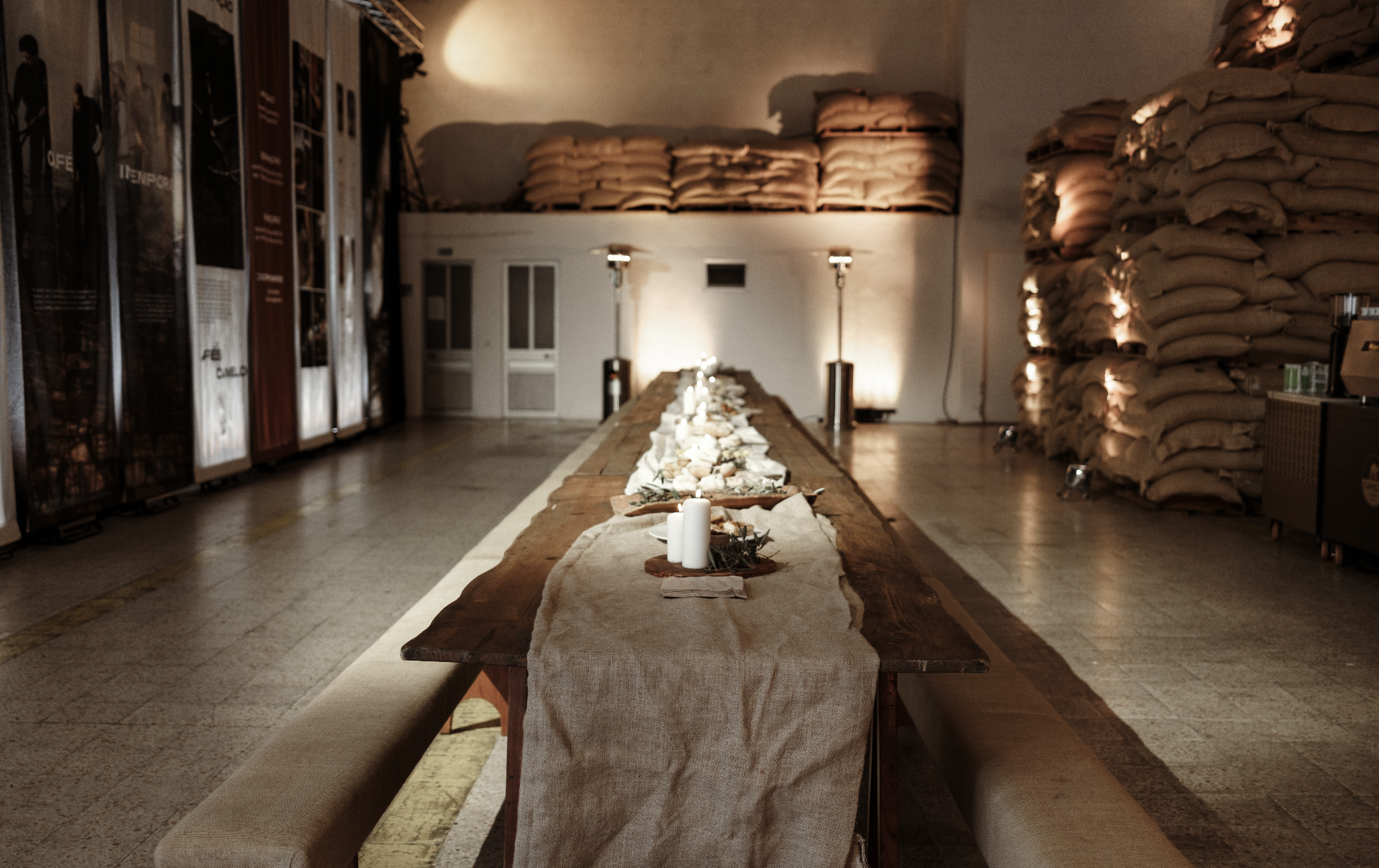
The warehouse day
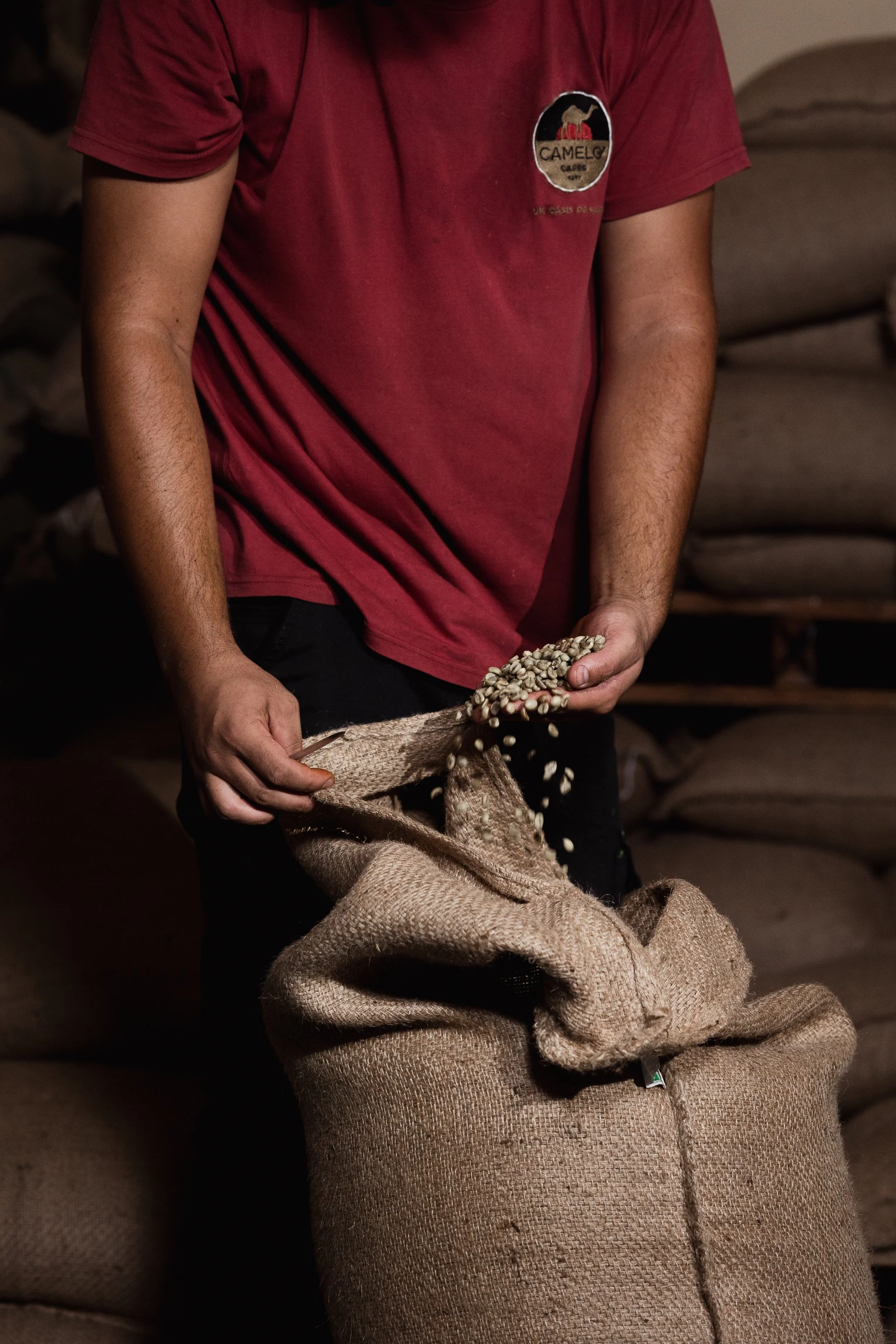
Many of Camelo's own vendors, spread across the country, had never actually been to Campo Maior. So we brought them there, into the warehouse where the dry coffee beans are kept, to let them feel the place and the smell instead of just sell the story secondhand. We built an exhibition around the same history from the book, and screened part of the documentary. Watching the older workers speak about Comendador Rui Nabeiro, in the room where it all happened, it landed differently. People got emotional.
The traveller's bag
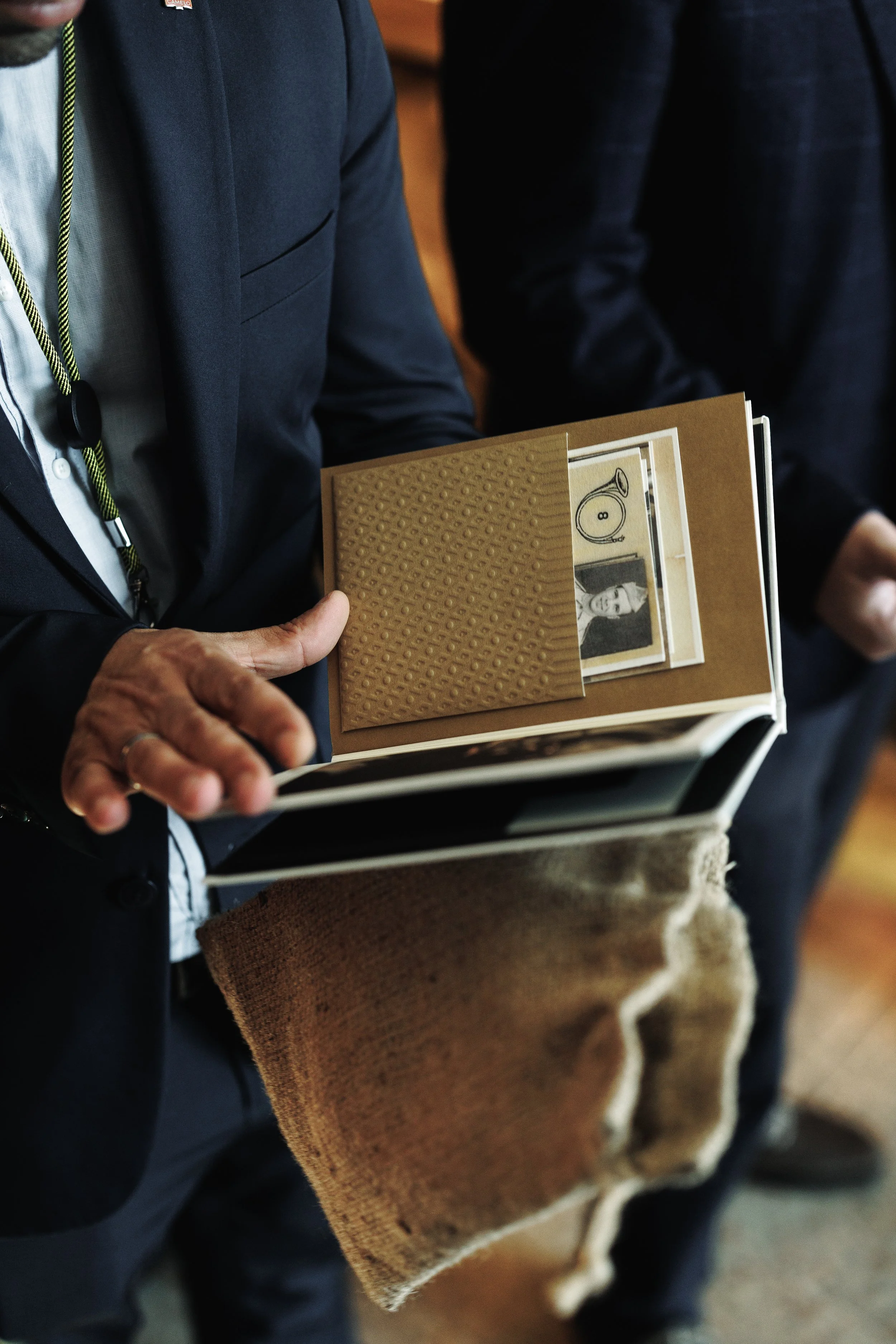
Finally, it all came together in something people could hold onto: a sales folder built as a traveller's bag, carrying the same book and story inside, given to Camelo's commercial team to bring the brand's history with them into every meeting.