Cafés Camelo
Camelo traces back to 1937, when Joaquim Nabeiro and his family opened a small torrefação in Campo Maior, 14 kilometers from the Spanish border, where smuggling coffee across the raia was one of the region's few real livelihoods. A young Rui Nabeiro, who'd later found Delta Cafés, grew up inside that story, pushing coffee across the border himself before taking over the family roastery at seventeen. That history is the actual reason Camelo exists, so the brief was never a new logo.
The brief wasn't to reinvent Camelo, it was to find a way to actually carry that story forward, out of the archives and into something people could read, watch, walk through, and hold. That meant the work couldn't live in one format. It had to become several. The work split into five parts.
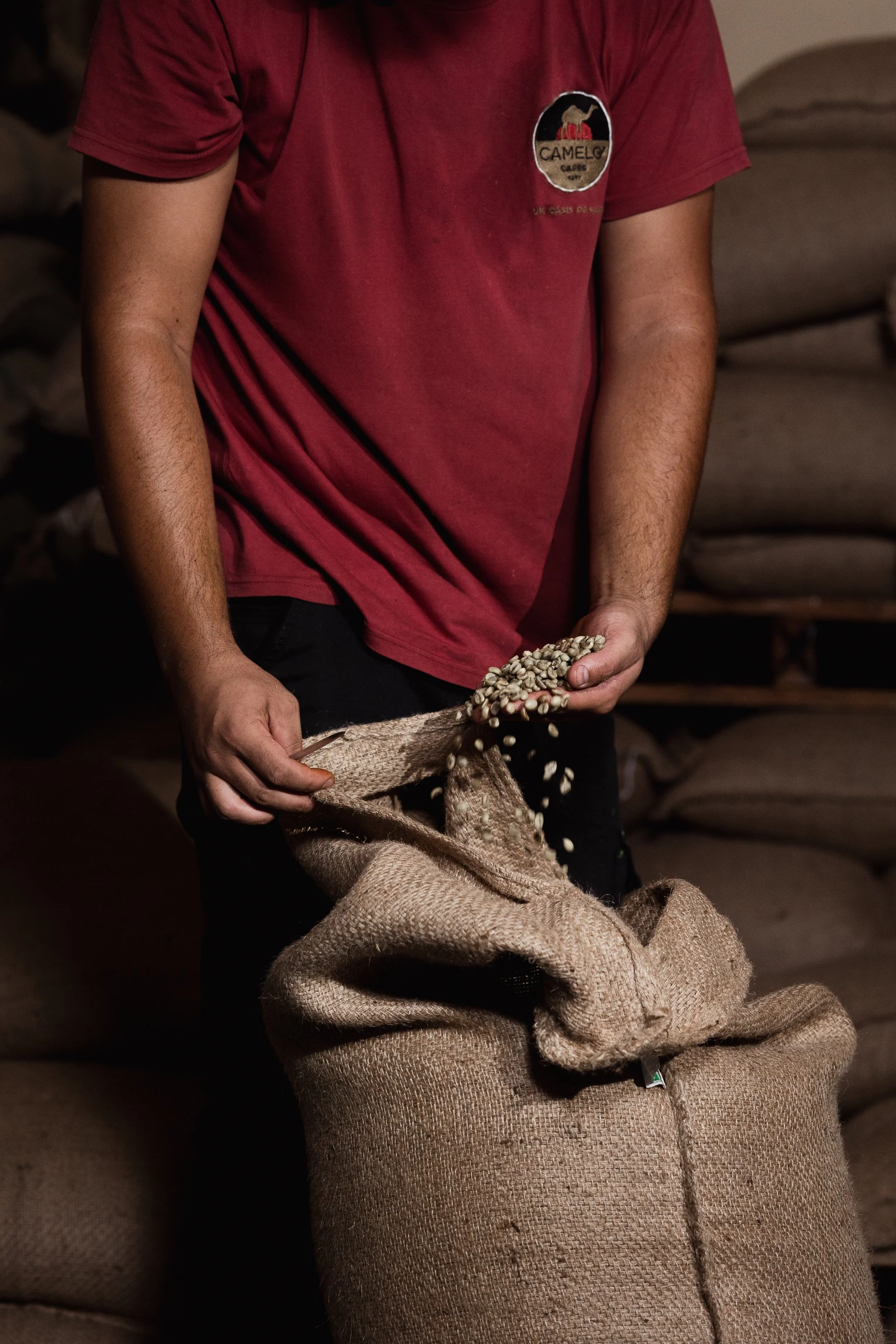
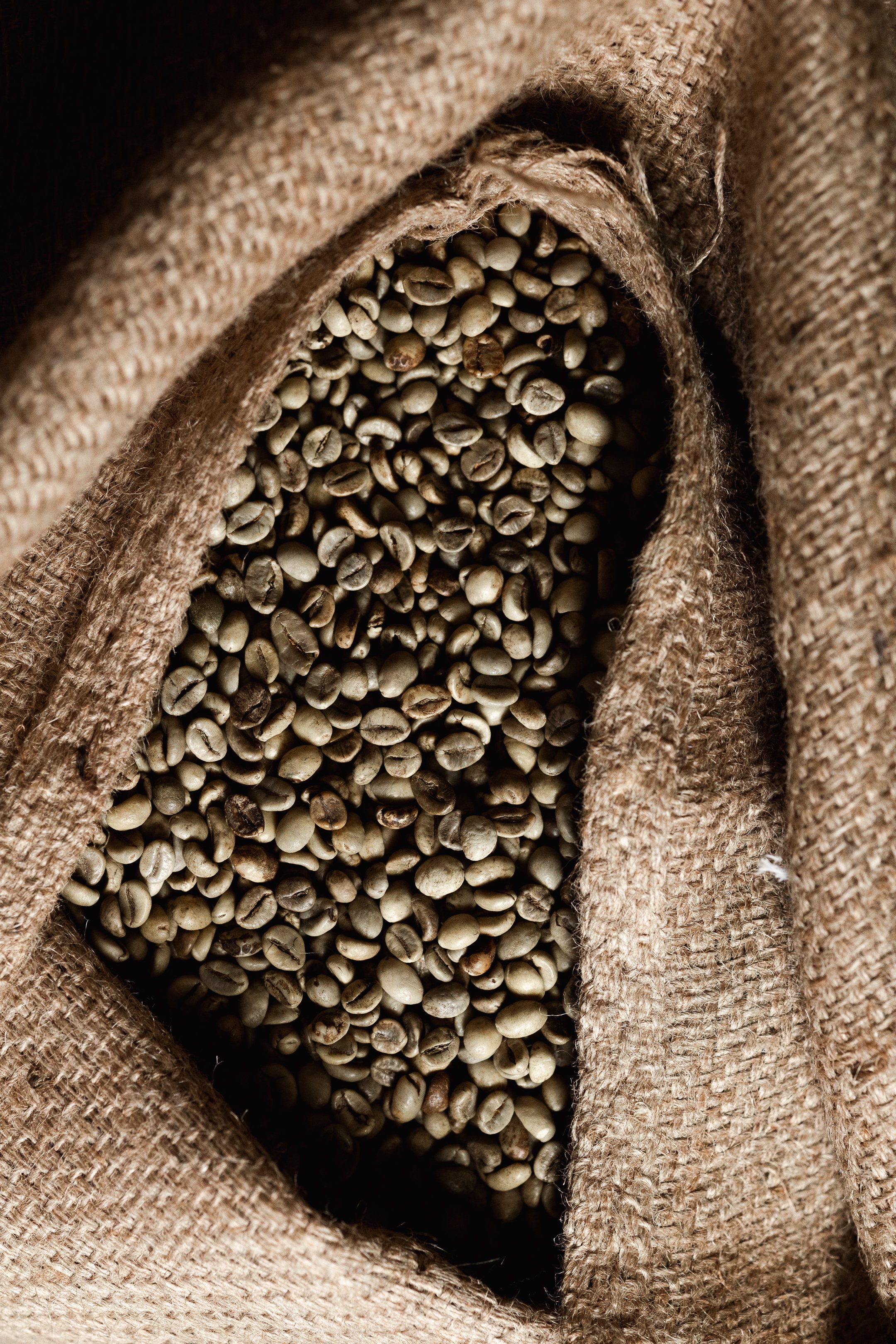
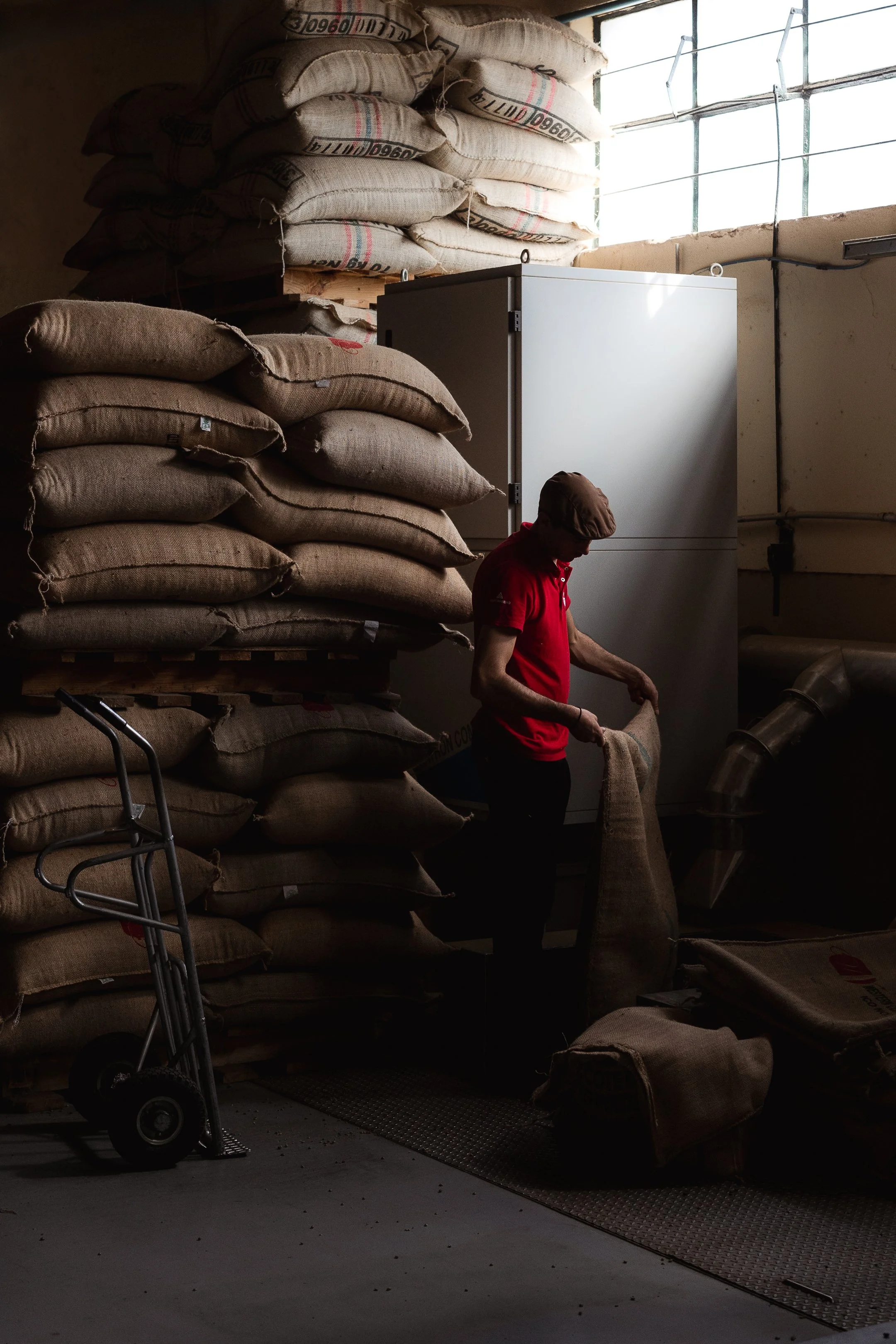
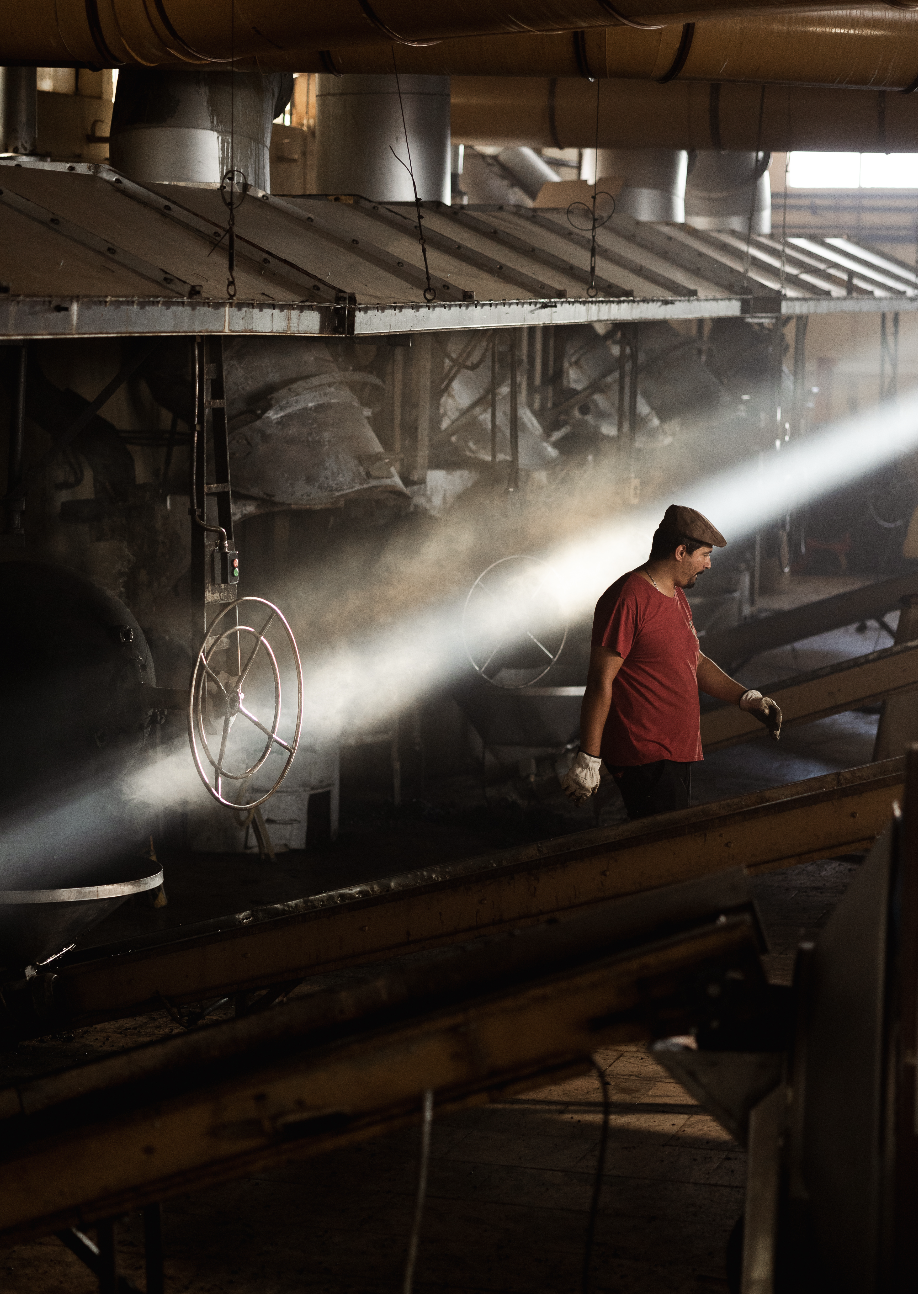
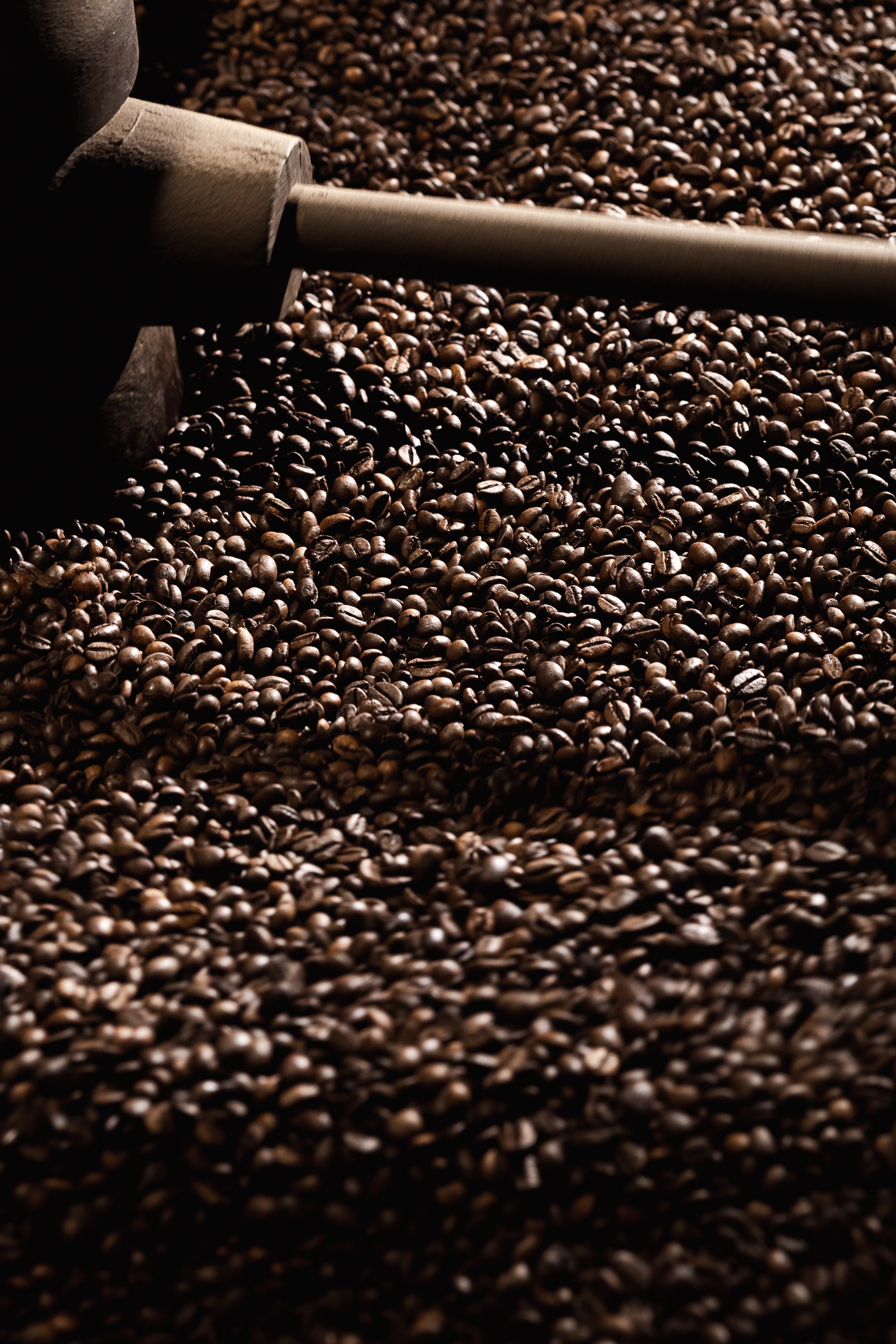
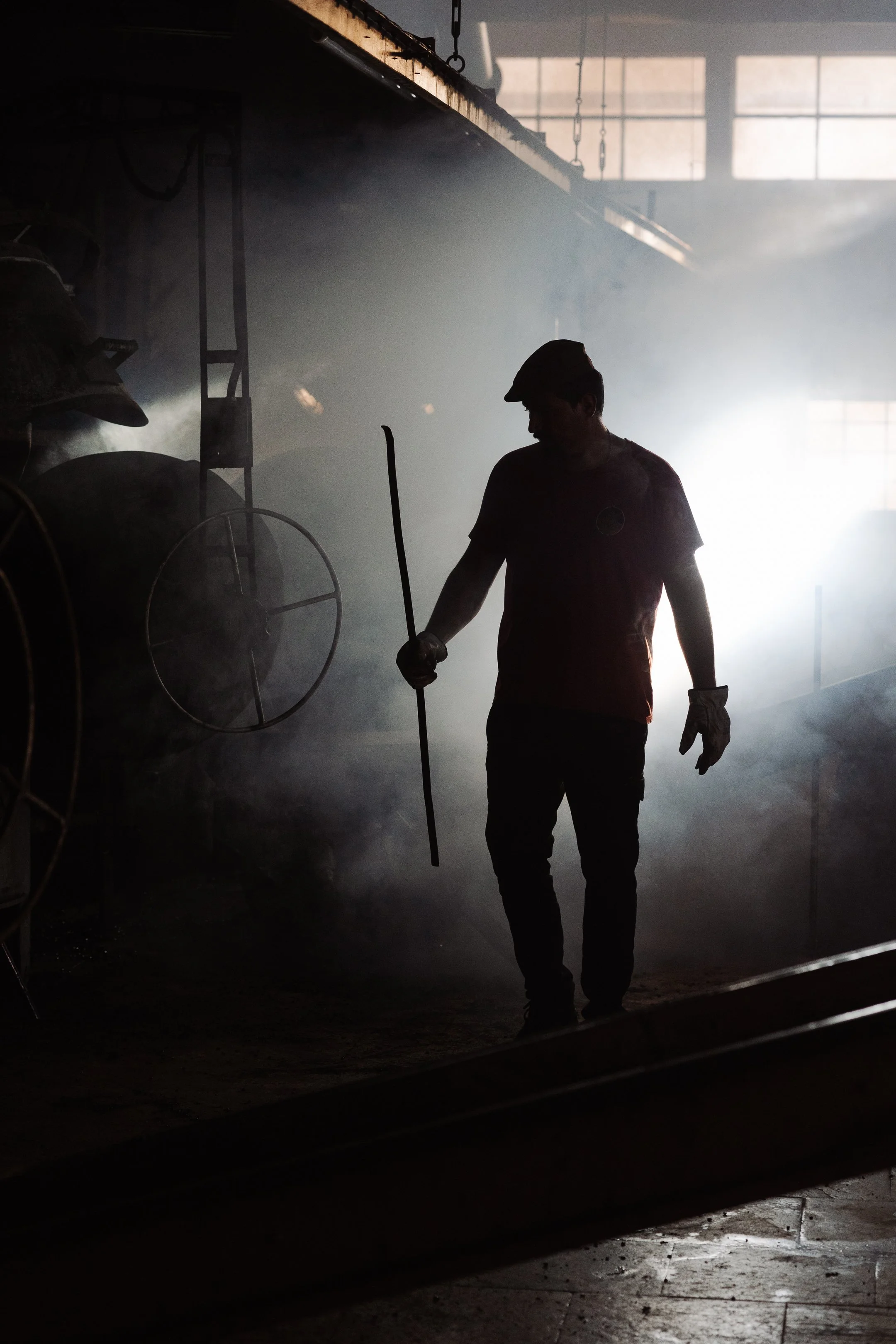
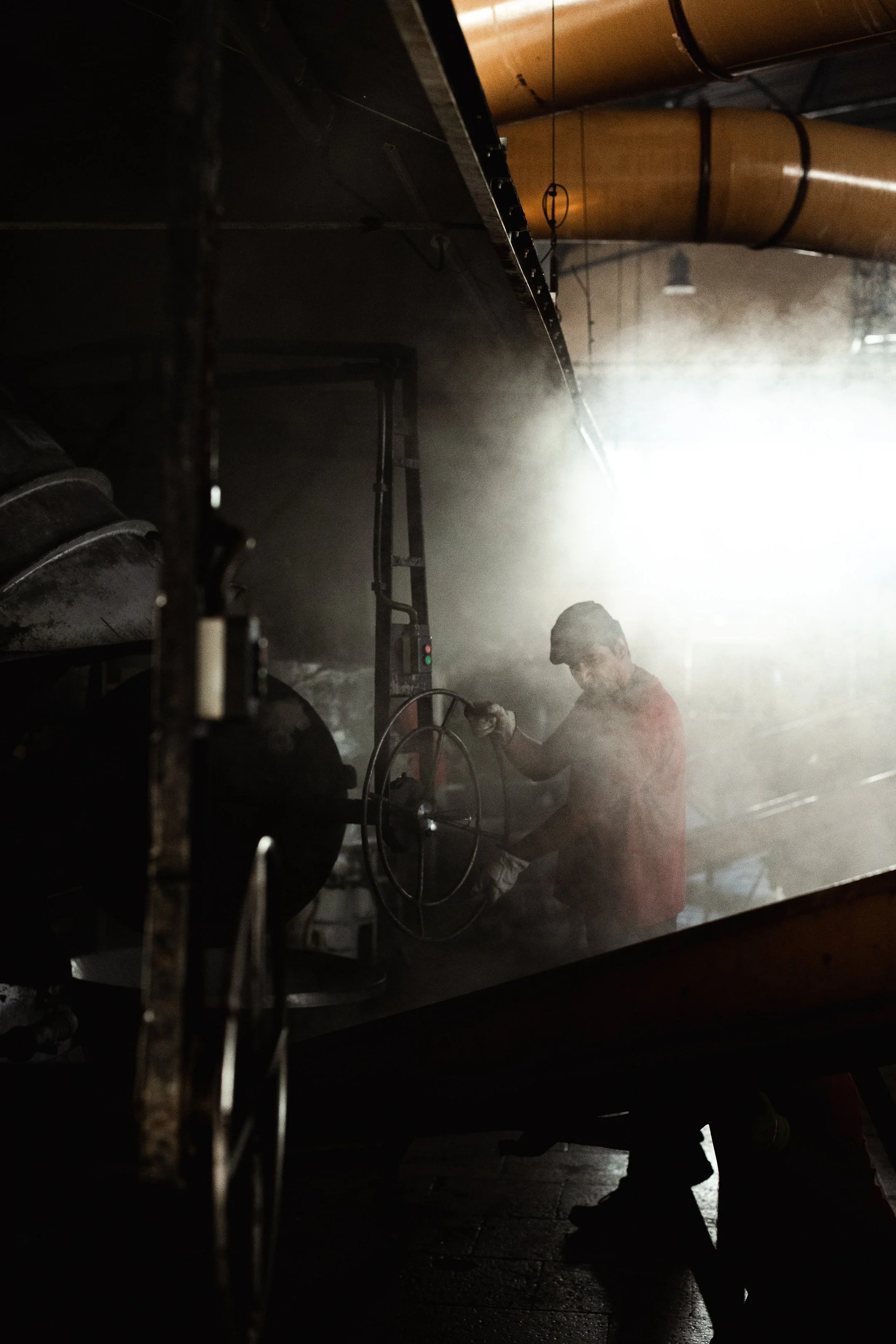
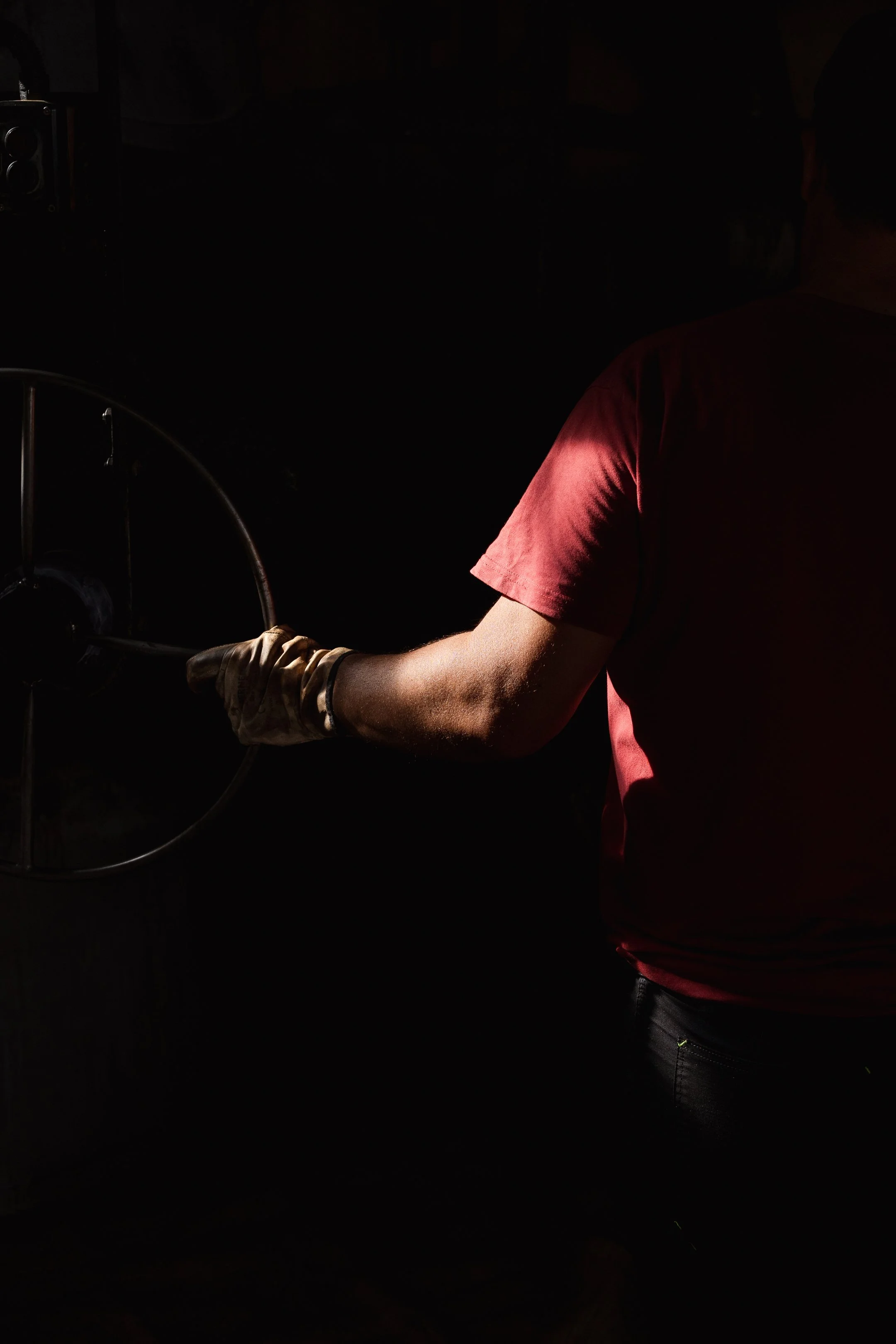

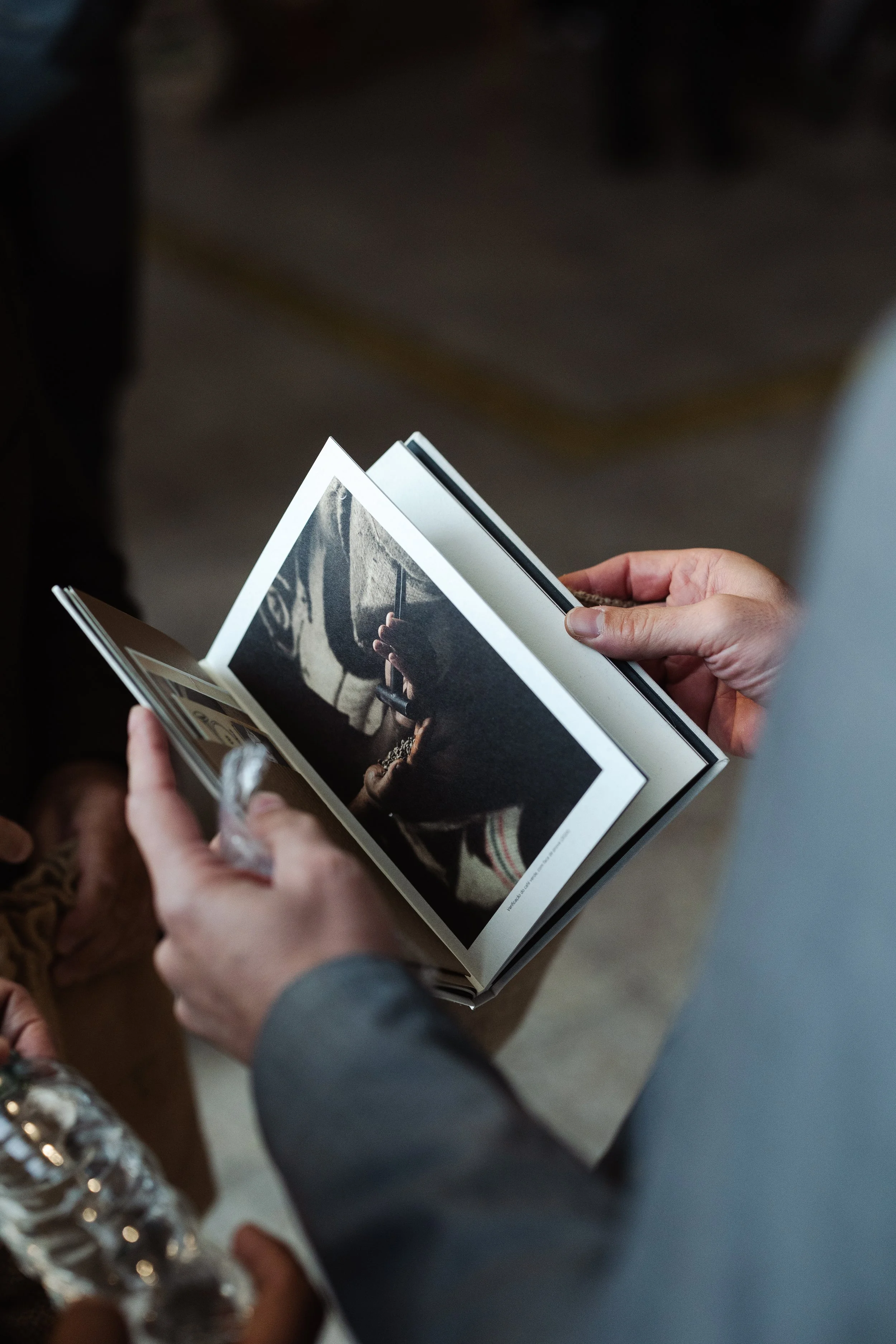
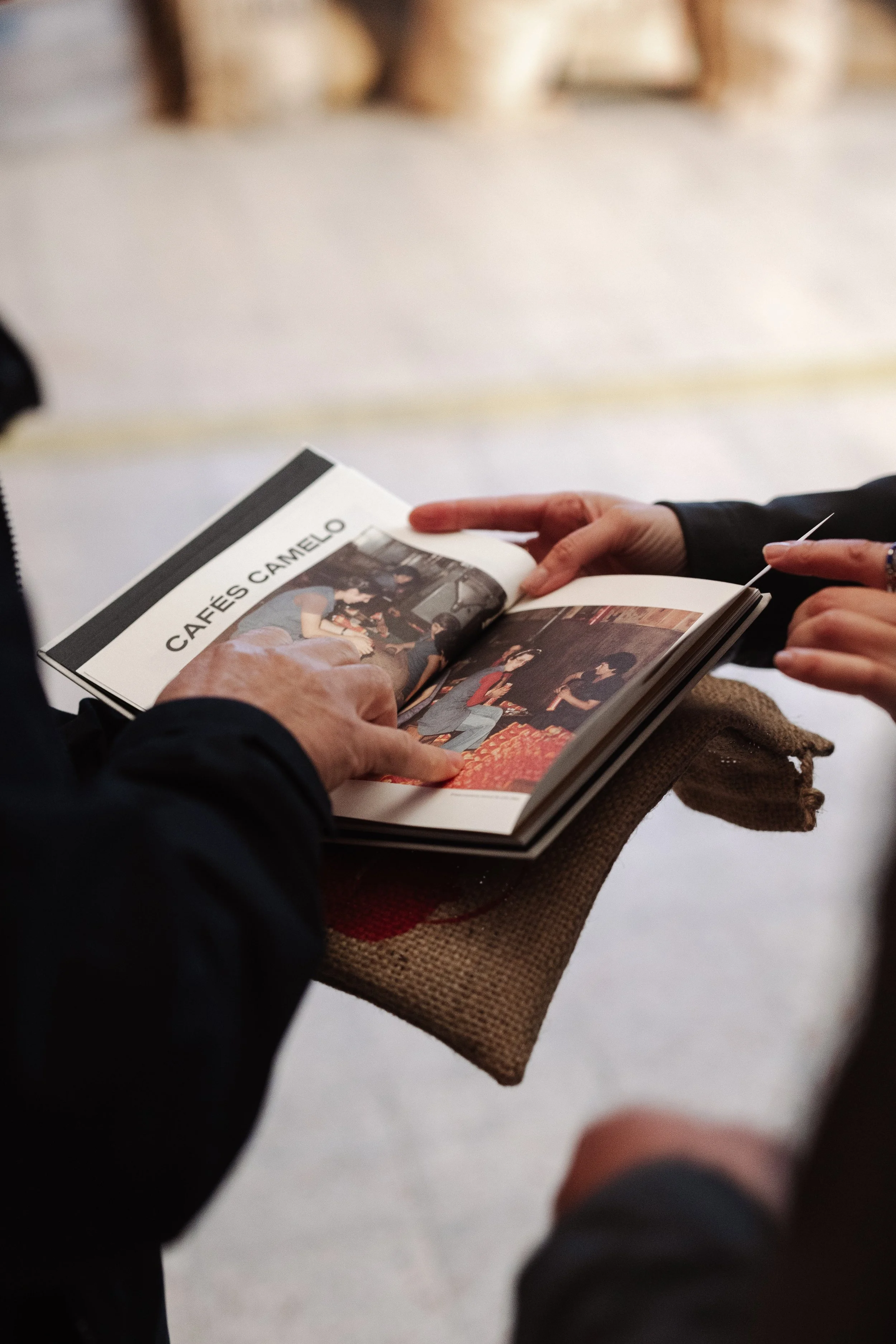
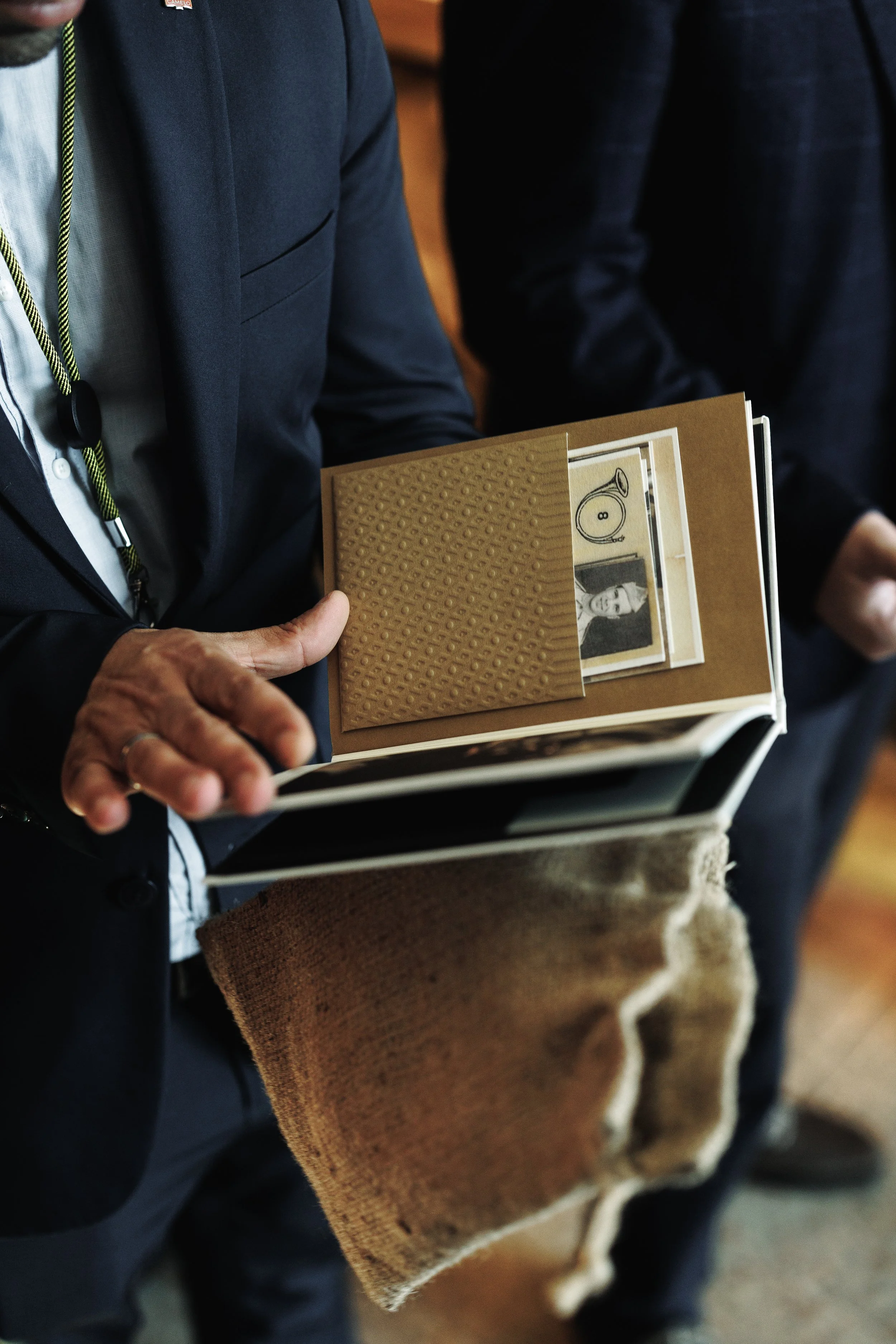
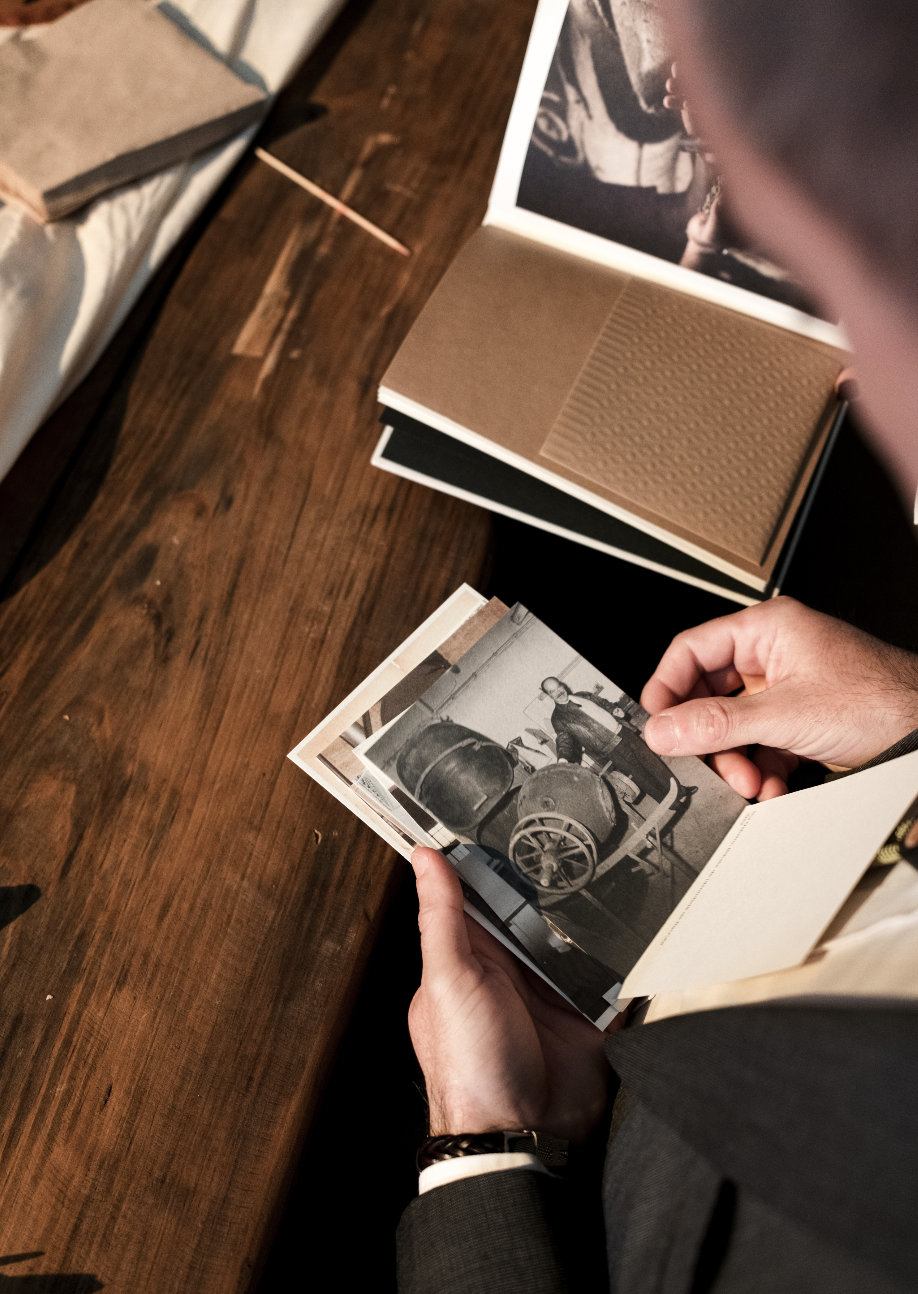
Built entirely around Cafés Camelo's own story and history, researched first-hand: visits to the torrefação itself, time spent at the Museu do Café Delta, and conversations with people who actually worked the roastery. What came together was part history, part archive, a document that could hold the brand's own past properly rather than summarizing it in a paragraph.
Conversations with people who'd worked at Cafés Camelo for decades, some over thirty years, shaped a different kind of record, this time on camera, the story told from the inside rather than the outside. Produced with Freds Fabrik, it became part oral history, part tribute to a place most of Portugal has tasted without ever knowing its name, including some of the brand's oldest workers speaking about how Comendador Rui Nabeiro first built it.
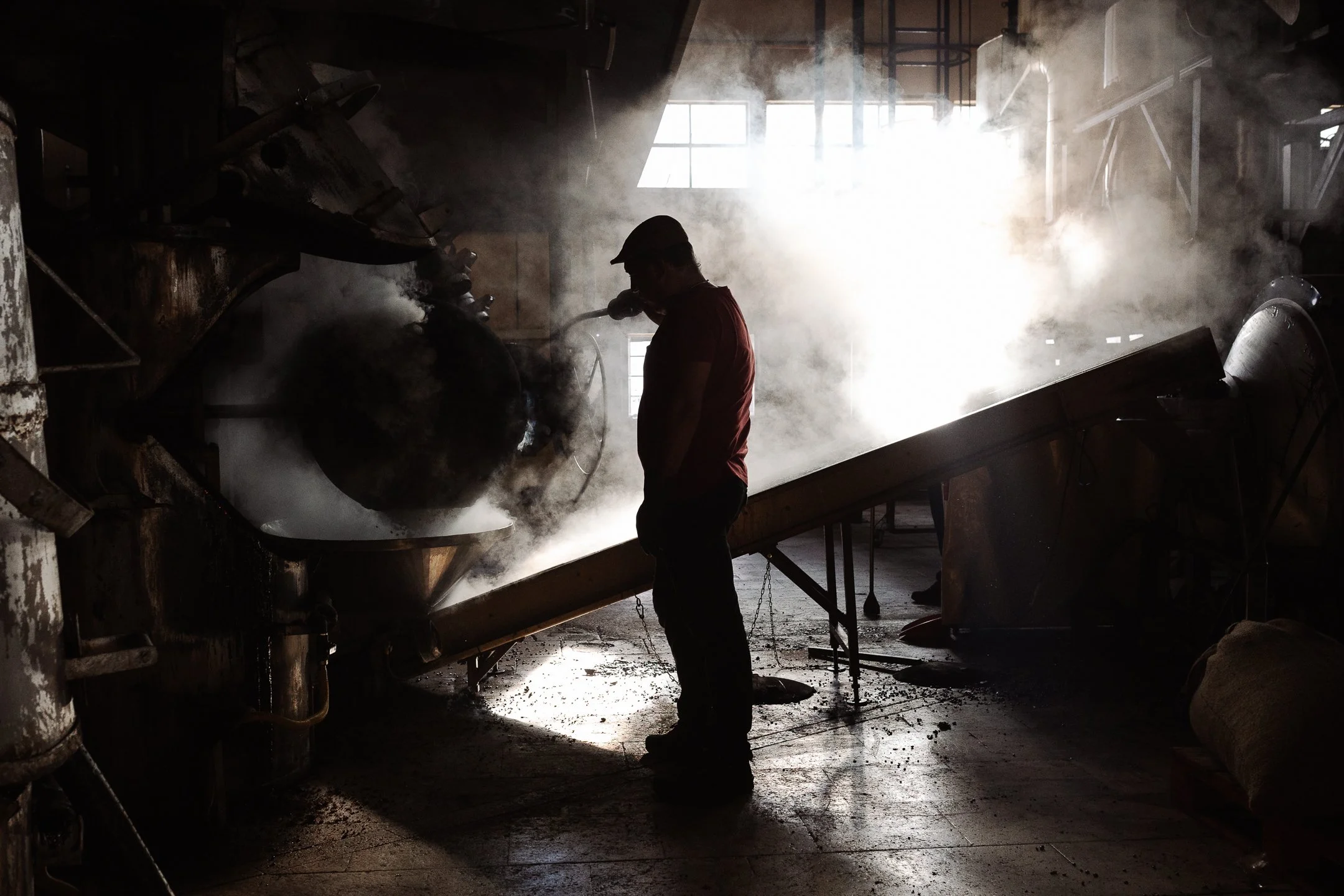
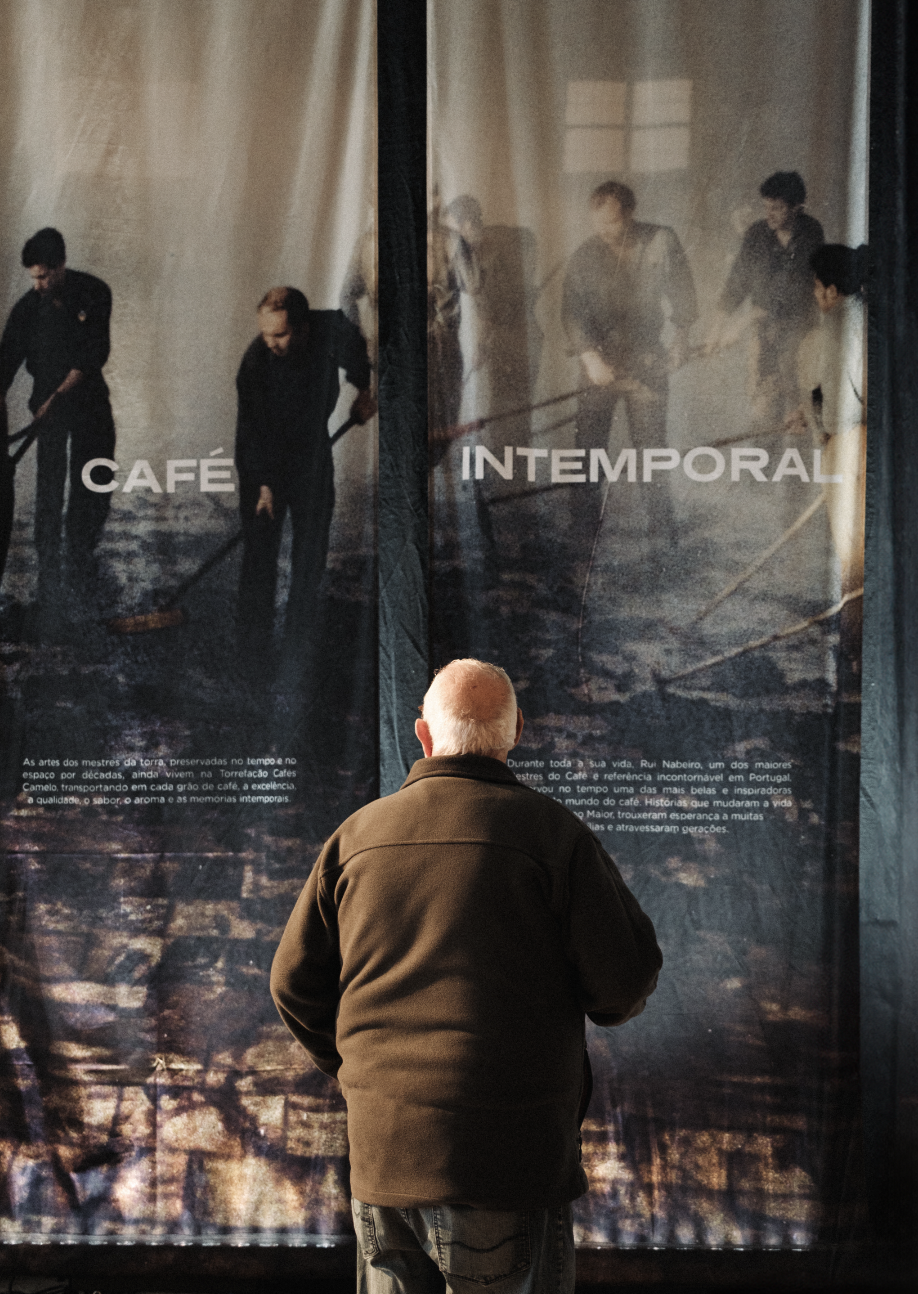
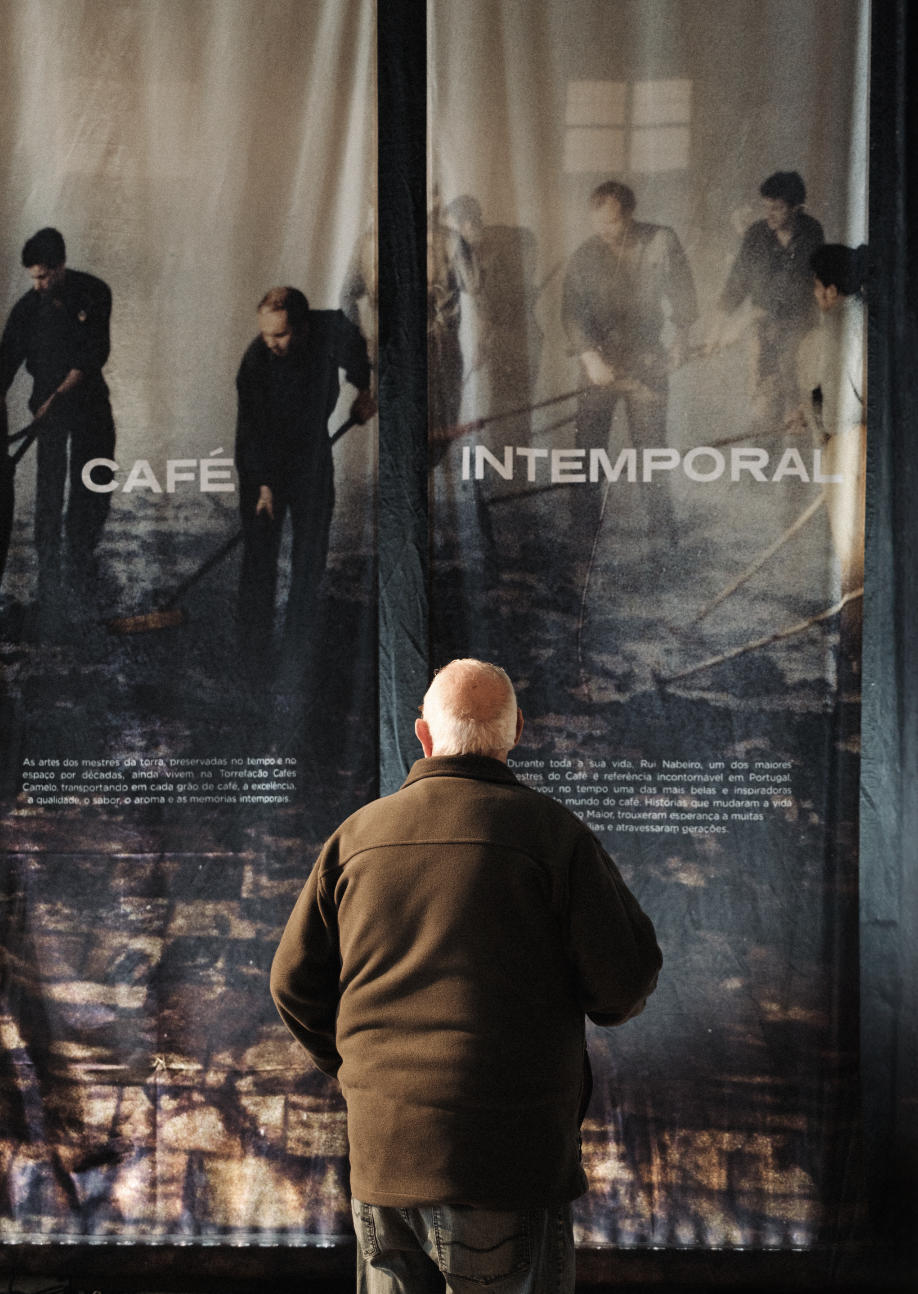
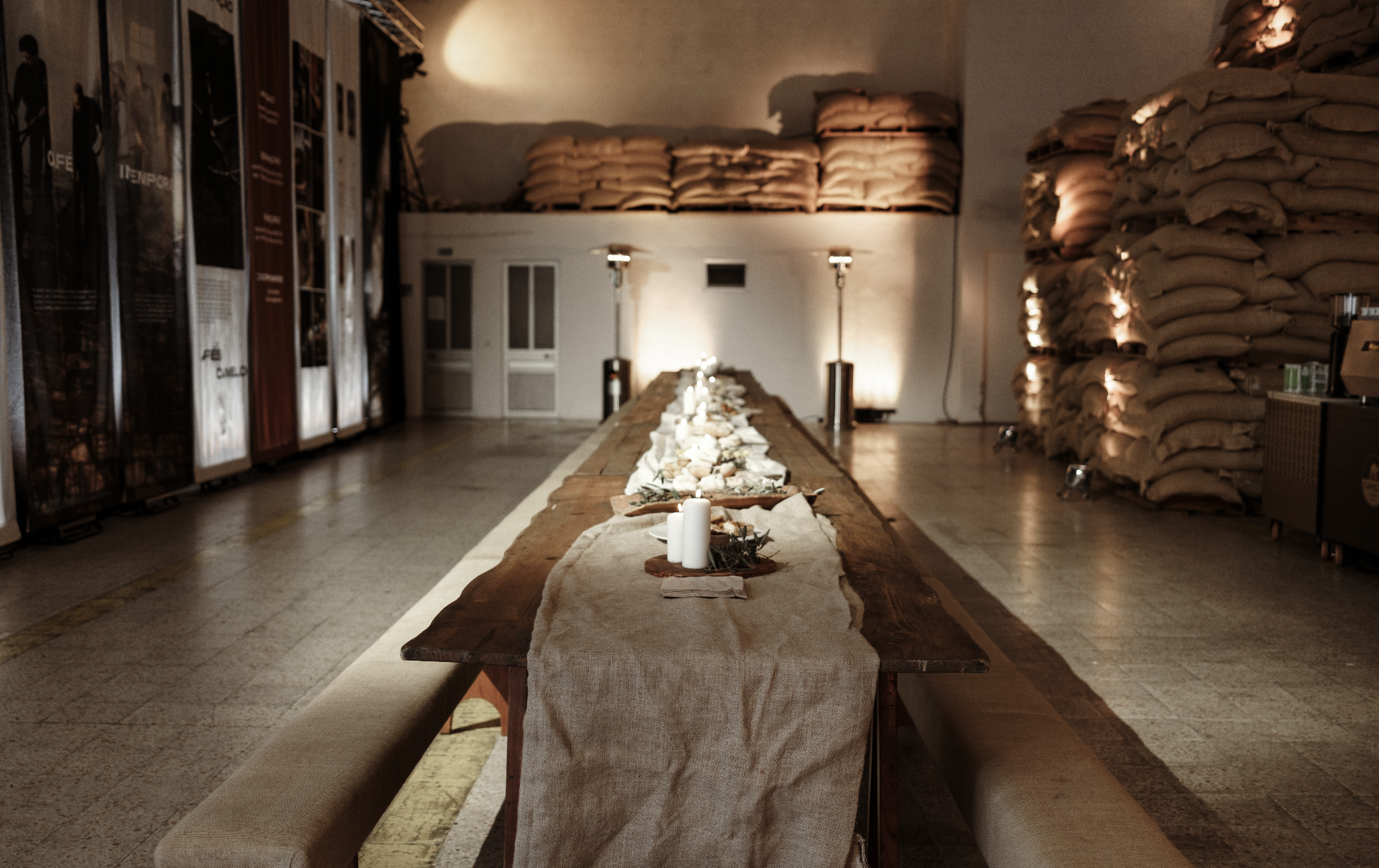
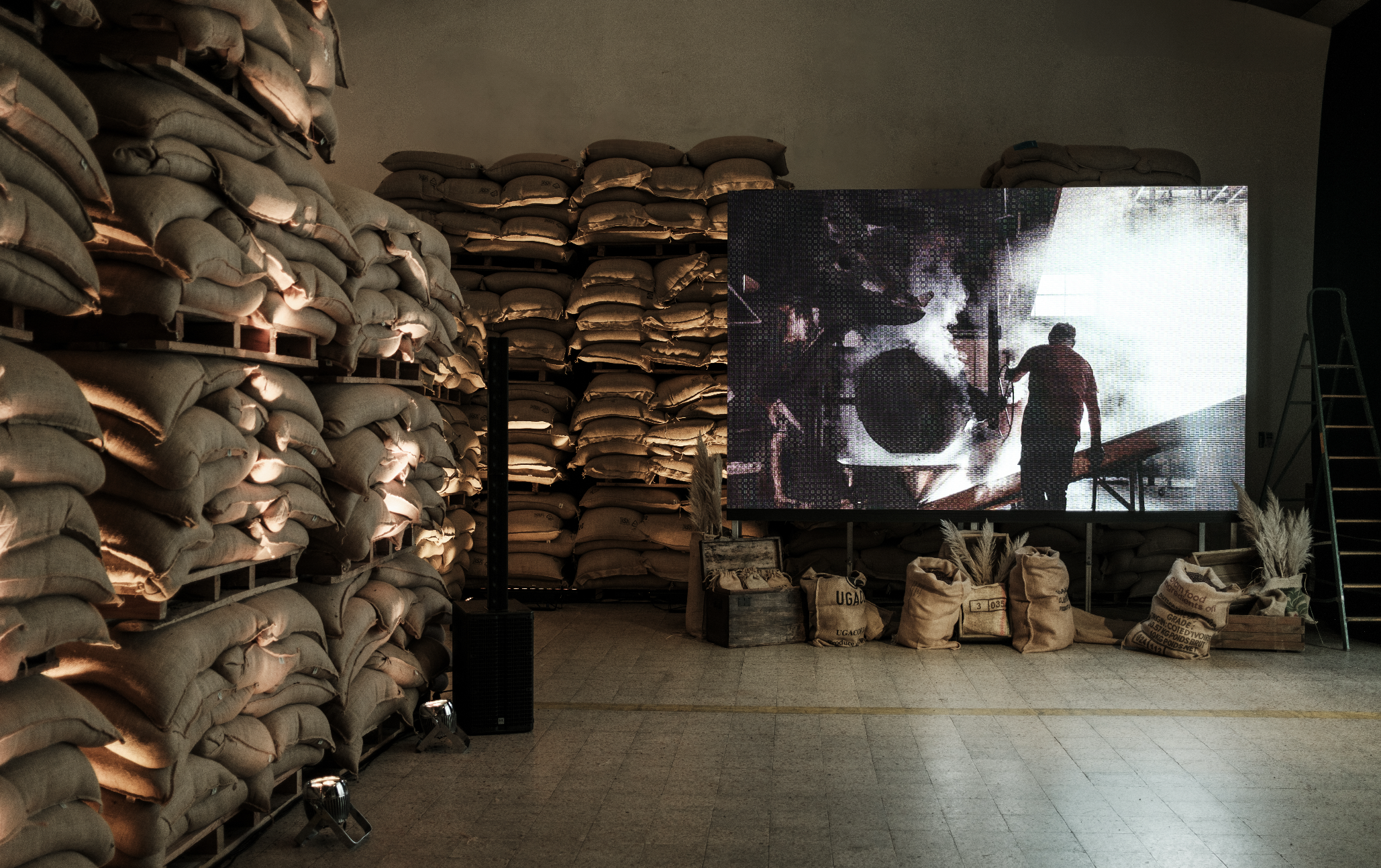
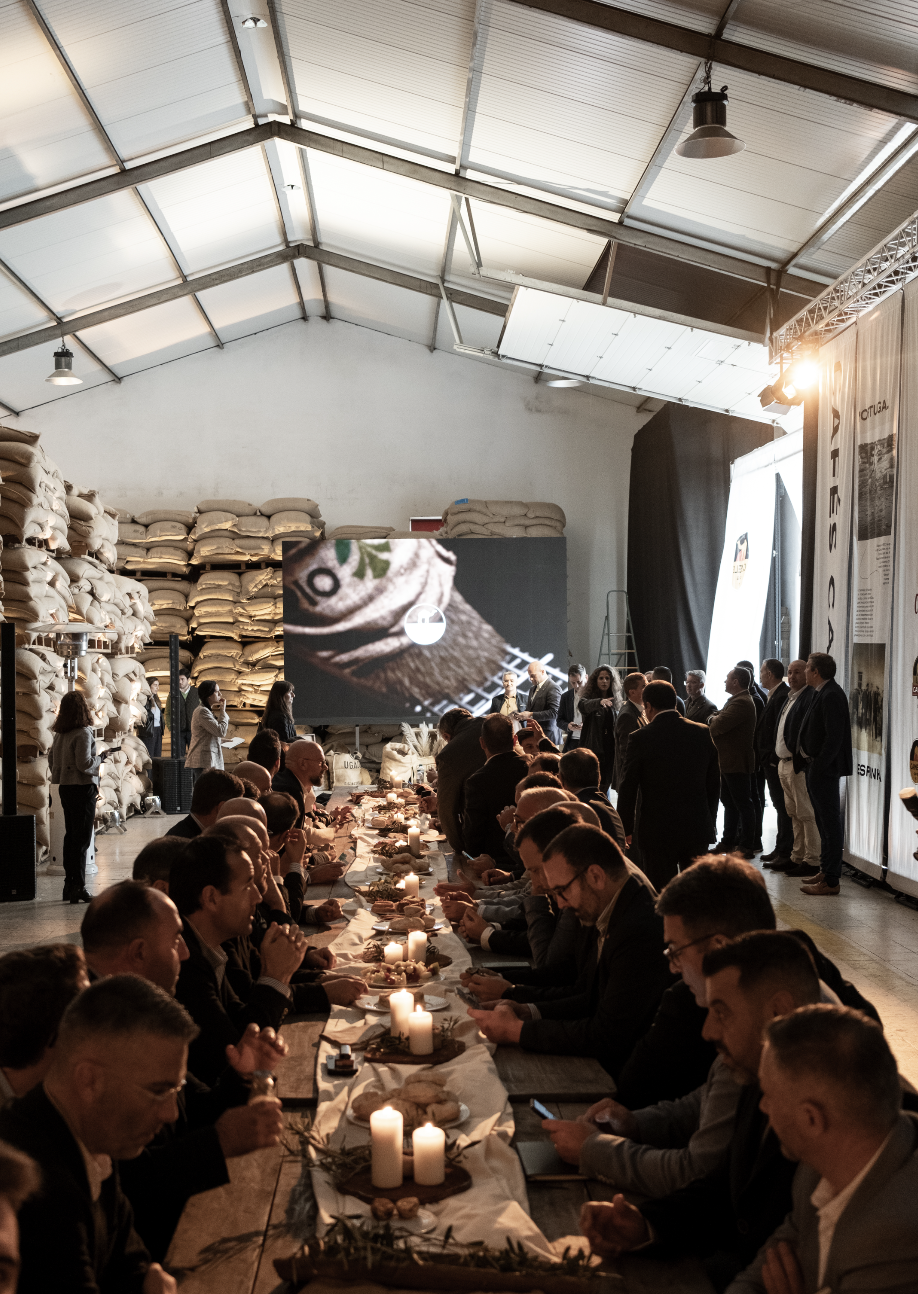
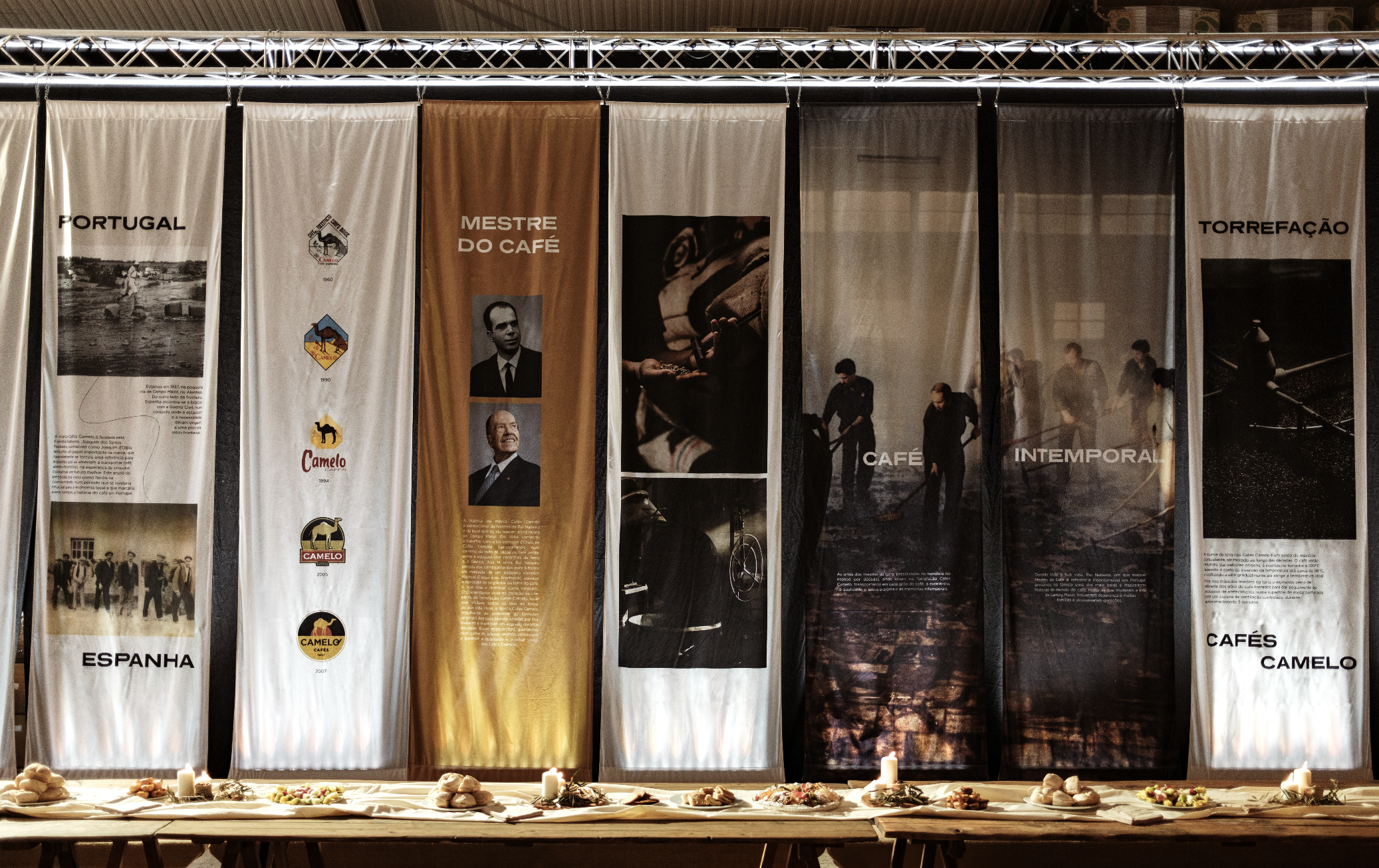
Many of Camelo's own vendors, spread across the country, had never been to Campo Maior. So they were brought there, into the warehouse where the dry coffee beans are kept, to feel the place and the smell instead of just selling the story secondhand. An exhibition drew on the same history as the book, and part of the documentary played on-site. Watching the older workers speak about Comendador Rui Nabeiro, in the room where it happened, landed differently. People got emotional.
Everything came together in something people could hold onto: a sales folder built as a traveller's bag, carrying the same book and story inside, given to Camelo's commercial team to bring the brand's history into every meeting.